
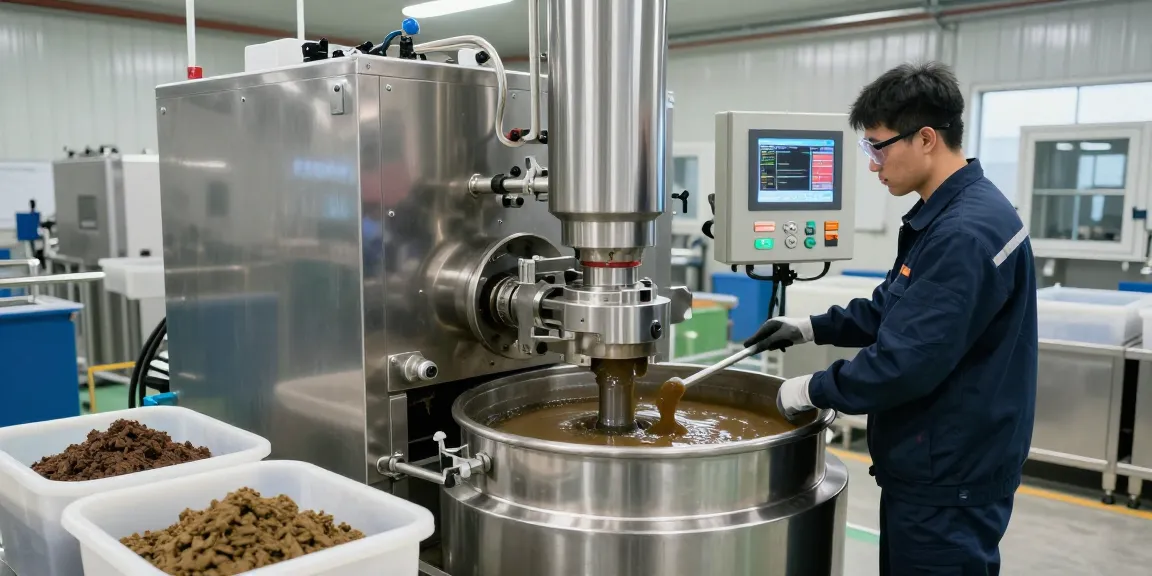
What If Sludge Dewatering Could Revolutionize Waste Management in 2026?
Understanding Sludge Dewatering
Sludge dewatering is a crucial process in water treatment and waste management that aims to remove excess water from sludge, thereby reducing its volume and facilitating easier handling and disposal. As global industries face increased pressure to manage waste efficiently and sustainably, understanding the intricacies of sludge dewatering becomes paramount. In this comprehensive guide, we will delve into the various aspects of sludge dewatering, highlighting its significance, methodologies, challenges, and the innovative technologies shaping its future.
What is Sludge Dewatering?
Sludge dewatering refers to the physical process of removing water from sludge, a semi-solid byproduct of wastewater treatment. The primary objective of this process is to reduce the moisture content of sludge, transforming it into a more manageable material, often referred to as “cake.” This cake is simpler to transport, reduces disposal costs, and minimizes the environmental impact associated with sludge management. Techniques for sludge dewatering can vary widely based on the specific type of sludge, the desired end properties, and the available technology.
The Importance of Sludge Dewatering in Waste Management
The significance of effective sludge dewatering cannot be overstated. It not only aids in minimizing the volume of waste but also enhances the recovery of valuable resources such as water and nutrients, contributing to a more sustainable circular economy. When exploring options, sludge dewatering provides comprehensive insights into the methods and technologies that can optimize sludge treatment processes, subsequently lowering operational costs for wastewater treatment facilities.
Key Processes in Sludge Dewatering
Several methods are commonly employed in the sludge dewatering process, with each having its own advantages and suitability depending on numerous factors, including the specific type of sludge and treatment goals. Here are the most widely recognized methods:
- Centrifugation: This utilizes centrifugal force to separate solids from liquids. Centrifuges are highly efficient and can achieve low moisture content in the resulting cake.
- Filter Pressing: A mechanical method that uses pressure to squeeze water out of the sludge, resulting in a dryer cake ready for disposal or further processing.
- Screw Presses: These systems use a screw to convey sludge while applying pressure, effectively removing water while maintaining the structure of the solids.
- Gravity Thickeners: A passive method that relies on gravity to settle out solids while allowing the liquid portion to be discharged.
Challenges in Sludge Dewatering
As effective as sludge dewatering methods can be, several challenges persist that can hinder optimal performance. Addressing these issues is crucial for achieving effective waste management outcomes.
Common Misconceptions about Sludge Dewatering
There are several misconceptions surrounding sludge dewatering, with many stakeholders underestimating its complexity. One prevalent belief is that any dewatering method will suffice for all types of sludge. In reality, various sludge compositions require tailored approaches to achieve optimal results. Misunderstanding the importance of conditioning agents, for instance, can lead to inefficient processes and subpar quality in the dewatered product.
Technical Challenges in Dewatering Processes
Technical challenges in sludge dewatering often arise from the composition and characteristics of the sludge itself. Factors such as high levels of fats, oils, and grease can complicate the dewatering process, leading to operational inefficiencies. Moreover, maintaining optimal chemical dosing levels and ensuring equipment reliability are vital for effective dewatering.
Environmental Impacts and Considerations
The environmental implications of inefficient sludge management cannot be overlooked. Failed dewatering processes lead to increased landfill use, higher greenhouse gas emissions, and potential groundwater contamination. Therefore, implementing robust sludge dewatering practices and continuously monitoring their effectiveness is essential for minimizing adverse environmental impacts.
Best Practices for Effective Sludge Dewatering
To overcome the challenges associated with sludge dewatering, implementing best practices can significantly enhance efficiency and effectiveness. Here are recommended strategies:
Choosing the Right Equipment for Dewatering
Investing in the right equipment is crucial for achieving optimal sludge dewatering outcomes. Considerations should include the specific characteristics of your sludge, operating costs, and regulatory compliance. The equipment should have a proven track record of performance in similar applications.
Optimal Techniques to Enhance Dewatering Efficiency
Employing optimal techniques such as polymer conditioning and pre-thickening can significantly improve dewatering efficiency. The right polymer can facilitate flocculation, allowing for better sedimentation and water removal. Additionally, pilot testing different techniques can help identify the most effective approach for your specific sludge type.
Regular Maintenance and Monitoring Practices
Routine maintenance of dewatering equipment is essential for ensuring reliability and performance. Implementing a monitoring system can help detect issues before they lead to costly downtimes. Tracking key performance indicators (KPIs) will also provide insights into your operations, allowing for continuous improvement.
Case Studies in Advanced Sludge Dewatering
Examining real-world applications of sludge dewatering can provide valuable insights into best practices and innovative solutions.
Successful Implementations in the Food Industry
In the food industry, companies have successfully adopted centrifugation techniques to handle byproducts effectively. Advanced separators have enabled the recovery of valuable water resources while minimizing waste, significantly impacting their sustainability objectives.
Innovative Solutions in Pharmaceutical Applications
The pharmaceutical industry faces stringent regulations regarding waste and product recovery. By implementing advanced sludge dewatering technologies, companies can achieve compliance while enhancing their operational efficiency. The careful selection of equipment that meets FDA standards is critical for these applications.
Lessons Learned from Chemical Processing Industry
The chemical processing sector has continually innovated in sludge dewatering by incorporating automation and data analytics. These advancements allow for real-time monitoring and adjustments in the dewatering process, leading to improved resource recovery and minimized environmental impacts.
Future Trends in Sludge Dewatering Technologies
As technology continues to evolve, the future of sludge dewatering looks promising with various emerging trends and innovations.
Emerging Technologies for Enhanced Separation
Novel technologies such as electro-dewatering and membrane filtration are gaining traction as efficient alternatives to traditional dewatering methods. These techniques promise higher separation efficiencies and the potential for significant reductions in operational costs of wastewater treatment facilities.
Predictions for Sludge Management in 2026 and Beyond
Looking ahead, industry experts predict that the focus on sustainability will drive the continued evolution of sludge management practices. Increased regulatory pressures and public awareness of environmental issues will further influence technological advancements in sludge dewatering.
How Regulations Will Shape Future Dewatering Practices
As regulations become more stringent, companies will need to adapt their sludge management practices to comply with new standards. The adoption of technologies that promote resource recovery and minimize environmental impacts will be essential for future operations.
What are the three types of dewatering?
The three primary types of dewatering methods are:
- Mechanical Dewatering: Involves equipment such as centrifuges and filter presses that provide active means to remove water.
- Gravity Dewatering: Relies on the natural settling of solids under gravity.
- Chemical Dewatering: Involves adding chemicals to enhance the flocculation of solids before dewatering.
Why is dewatering of sludge necessary?
Dewatering is necessary for reducing the volume of sludge, minimizing transport costs, and facilitating easier disposal. Additionally, effective dewatering enhances the recovery of water resources, supporting sustainability initiatives.
What equipment is used to dewater sludge?
Common equipment used for sludge dewatering includes centrifuges, filter presses, and screw presses, each providing unique advantages depending on the application. The selection of equipment should align with the specific characteristics of the sludge being processed.
What are the common sludge dewatering methods?
Common sludge dewatering methods encompass mechanical approaches such as centrifugation and filter pressing, as well as gravity techniques and chemical flocculation, each tailored to specific needs and sludge types.
How effective is sludge dewatering on environmental safety?
Effective sludge dewatering practices enhance environmental safety by reducing waste volume, minimizing landfill usage, and lowering greenhouse gas emissions. For more information, juice centrifuge offers valuable insights. By optimizing water recovery and resource management, these practices contribute significantly to sustainable operations in waste management.