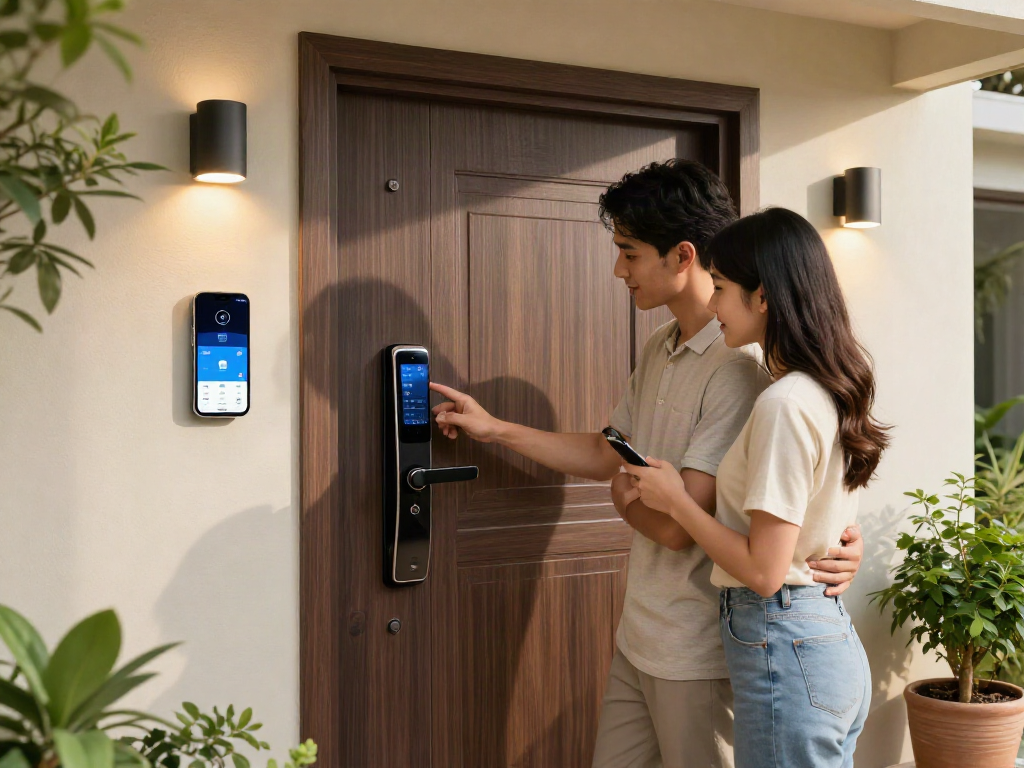
Understanding Smart Locks
In an era where technology has transformed our everyday lives, the emergence of smart locks represents a significant shift in home security. Smart locks offer convenience, control, and enhanced security features that traditional locks simply cannot match. As consumers increasingly prioritize accessibility and tech integration within their homes, understanding the landscape of smart locks becomes essential. When exploring options, خرید قفل هوشمند provides comprehensive insights into various brands and models available on the market.
What is a Smart Lock?
A smart lock is an electromechanical device that secures a door operated by a wireless protocol, such as Bluetooth or Wi-Fi, rather than a traditional physical key. Users can unlock their doors using smartphones, key fobs, or even biometric identifiers like fingerprint scans. Smart locks can be integrated with home automation systems, allowing for seamless control over multiple devices, enhancing both functionality and user experience.
Benefits of Smart Lock Systems
- Convenience: Smart locks allow for keyless entry, which means no more fumbling for keys. You can unlock your door with a smartphone app or through voice commands via a smart home assistant.
- Remote Access: Many smart locks offer the ability to control access from anywhere, making it easy to grant entry to guests or service providers even when you’re not home.
- Monitoring and Alerts: Receive notifications when your door is locked or unlocked, and who accessed it, providing peace of mind and enhanced security.
- Integration with Home Automation: Smart locks can integrate with other smart home devices, improving the overall functionality of your security system.
Common Misconceptions about Smart Locks
Despite their growing popularity, many potential buyers harbor misconceptions about smart locks. A common myth is that they are too complicated to install and use. However, many models come with user-friendly interfaces and can be installed with minimal effort. Additionally, concerns about security often deter people; while smart locks can be vulnerable to hacking, the integration of top-tier encryption protocols and regular software updates significantly mitigate these risks.
Choosing the Right Smart Lock
When deciding on a smart lock, it’s crucial to analyze your specific needs and the unique features offered by different models. The ideal choice balances technology with functionality, ensuring security without compromising convenience. To make an informed decision, take into account the various factors that can influence your purchase.
Factors to Consider When Buying
- Compatibility: Ensure that the smart lock you choose is compatible with your existing door setup and home automation system.
- Connectivity Options: Look for locks that use a secure wireless protocol. Common options include Bluetooth, Wi-Fi, and Z-Wave.
- Power Source: Consider whether the lock is battery-operated or hardwired, as this can affect maintenance and reliability.
- Ease of Use: A user-friendly app and lock interface enhance the overall experience. Check for app reviews to gauge performance.
- Warranty and Support: Opt for brands that offer a robust warranty and have a reliable customer support system.
Top Brands and Models for 2026
As technology evolves, various brands are leading the way in smart lock innovation. Consider the following options when looking for the best smart locks in 2026:
- August Smart Lock Pro: Known for its ease of installation and compatibility with most existing deadbolts, the August lock also integrates well with major smart home systems.
- Schlage Encode: This lock features built-in Wi-Fi, eliminating the need for additional hubs. Its advanced security features are a major selling point.
- Yale Assure Lock SL: Boasting a sleek design and a touchscreen keypad, this model offers both keyless convenience and a key backup option.
Features to Avoid in Smart Locks
While many smart locks boast cutting-edge technology, some features may not be worth your investment. Avoid locks with:
- Weak Encryption: Always choose models that utilize strong encryption standards to protect your data.
- Bloatware: Some smart locks come with unnecessary features that complicate the user experience. Focus on the essentials that meet your needs.
- Poor Battery Life: Locks that frequently require battery changes can be inconvenient and indicate underlying quality issues.
Installation Process for Smart Locks
The installation of smart locks can often be a straightforward process, but it may vary depending on the specific model and existing door hardware. Understanding the installation steps can help you decide whether to tackle it yourself or hire a professional.
Steps for DIY Installation
For those opting for a DIY approach, follow these general steps:
- Read the Manual: Always start by thoroughly reading the manufacturer's manual for specific instructions.
- Gather Tools: Typically, you’ll need a screwdriver and possibly a drill for installation.
- Remove the Existing Lock: Unscrew and remove the existing lock and latch.
- Install the Smart Lock: Follow the specific instructions to install the smart lock in place of the old lock.
- Test the Lock: Before finalizing installation, test the lock to ensure it operates smoothly.
Hiring Professional Installation Services
If DIY installation feels daunting, hiring a professional can save time and ensure your smart lock is installed correctly. Look for licensed locksmiths or home security experts who have experience with smart home technology. Always check reviews and ask for recommendations to find reliable service providers.
Common Installation Mistakes
Even experienced DIYers can make mistakes during the installation process. Avoid these pitfalls:
- Neglecting Compatibility: Ensure the smart lock matches your door type and size.
- Incorrect Wiring: For electronic locks, double-check all wiring connections to prevent malfunction.
- Forgetting to Update Firmware: After installation, always check for firmware updates to enhance security features.
Smart Lock Security Features
As smart locks collect and store sensitive data, it’s crucial to prioritize security features during your selection process. Understanding the various security protocols can help you make informed, safe choices.
Understanding Encryption and Security Protocols
Smart locks employ various methods to encrypt data, securing communication between the lock and your devices. Look for locks that use AES (Advanced Encryption Standard) or similar security protocols to ensure robust protection against unauthorized access.
Integrating Smart Locks into Your Home Security System
Smart locks can significantly enhance your home security when integrated with other smart devices, such as cameras and motion sensors. Establishing a cohesive security system will provide comprehensive coverage and allow for more efficient monitoring and control.
Red Flags in Smart Lock Reviews
While researching smart locks, be wary of the following red flags in user reviews:
- Frequent Complaints About Connectivity: Users should be able to access the lock reliably; if many reviews indicate connection issues, it may be a design flaw.
- Security Incidents: Investigate claims of security breaches related to specific models before making a purchase.
- Poor Customer Service: Consider the company's reputation for support; inadequate service can be a major hassle.
Future Trends in Smart Lock Technology
As technology rapidly evolves, smart locks are becoming more sophisticated, offering enhanced features and increased convenience. Staying informed about future trends can help you make the best choices for your home security.
Innovative Features to Look for in 2026
In 2026, we anticipate a wave of innovative features in smart locks, including:
- Biometric Access: Enhanced fingerprint and facial recognition capabilities for even higher security.
- AI Integration: Smart locks that learn user habits and adjust their security settings accordingly.
- Voice Control: Increased compatibility with voice-activated devices like Amazon Alexa and Google Assistant.
Impact of AI and IoT on Smart Lock Systems
The Internet of Things (IoT) and Artificial Intelligence (AI) are set to revolutionize smart lock technology. With AI-driven analytics, locks can predict security threats and automatically adapt their settings to safeguard against potential breaches.
Predicted Market Trends and Consumer Preferences
As consumer preferences shift towards smart home technology, the demand for integrated security solutions is expected to grow. Features that enhance usability, like mobile app integration and pro-active monitoring, will likely become increasingly common.
What are the key benefits of smart locks?
The primary benefits of smart locks include enhanced convenience, improved security features, and the ability to integrate with various smart home systems for comprehensive control.
How do smart locks compare to traditional locks?
Smart locks offer significant advantages over traditional locks, including keyless entry options, remote access control, and the ability to monitor entry logs, enhancing security and convenience.
What features should I prioritize when buying a smart lock?
Prioritize features such as security encryption standards, ease of installation, compatibility with existing smart home systems, and a user-friendly app interface.
Can I install a smart lock myself?
Yes, many smart locks are designed for easy DIY installation. However, be sure to follow the manufacturer's instructions and ensure compatibility with your door.
What security risks should I be aware of?
Potential security risks include hacking vulnerabilities and poor manufacturer support. Choose reputable brands that regularly update their firmware to protect against emerging threats.