
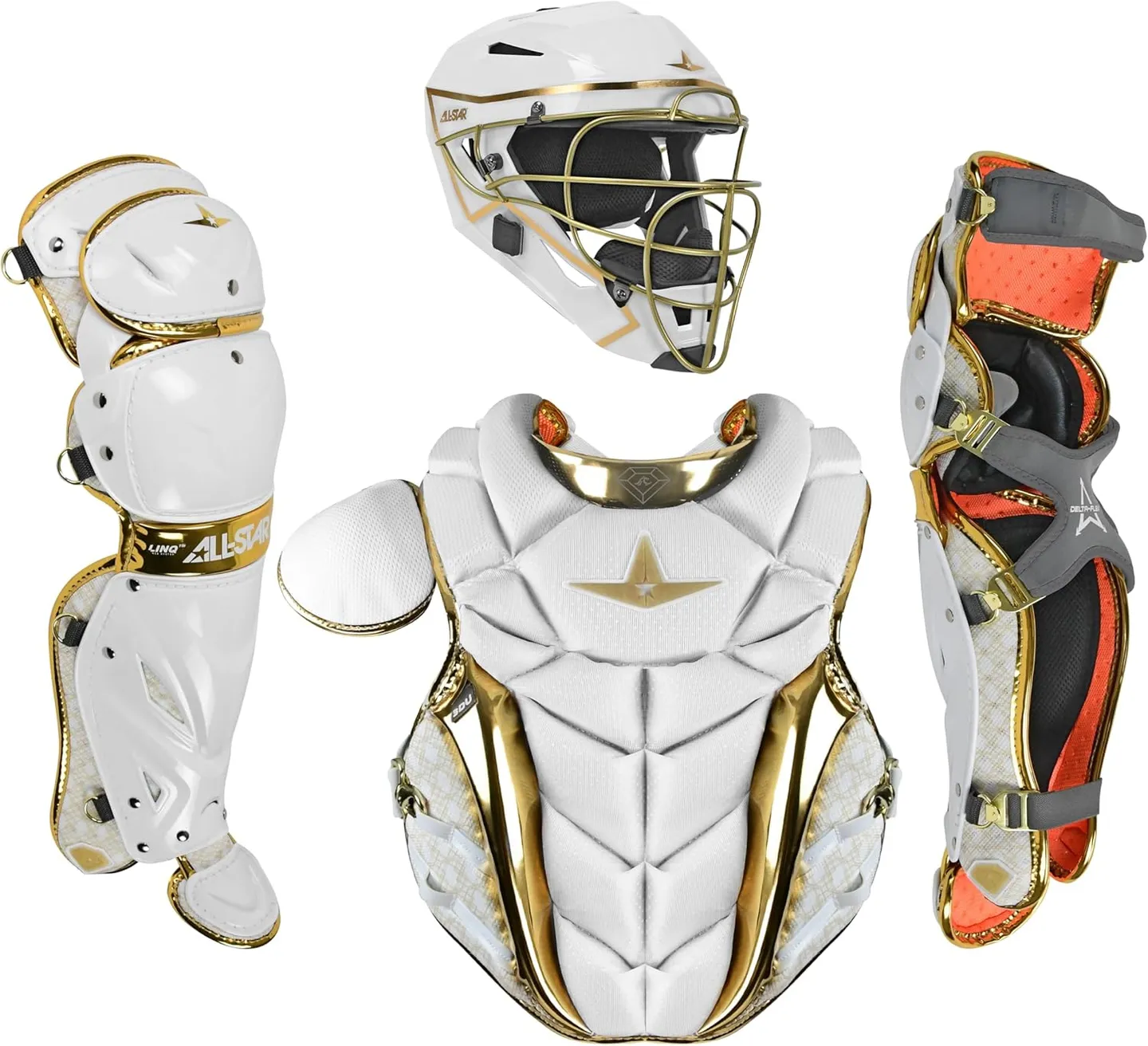
Choosing the right catcher’s equipment is one of the most important decisions for a fastpitch softball player. Catchers need reliable protection while maintaining the speed, flexibility, and confidence required behind the plate. From helmets and chest protectors to leg guards and catcher’s mitts, every piece of equipment has a specific purpose. The right gear should provide a combination of safety, comfort, durability, and mobility so players can focus on receiving pitches and making defensive plays.
Understand the Essential Equipment
Before purchasing Fastpitch Softball Catcher's Gear it is important to understand what a complete catcher’s setup includes. Most sets contain a catcher’s helmet or mask, chest protector, and leg guards. A catcher’s mitt is also essential, although it may be sold separately.
Each component protects a different part of the body. The helmet protects the head and face, the chest protector covers the torso, and leg guards protect the knees and lower legs. Together, these pieces create a protective system designed specifically for the demands of fastpitch softball.
Prioritize Proper Fit
Fit should always be a major consideration when buying catcher’s equipment. Gear that is too loose can shift during movement, while equipment that is too tight may restrict mobility and create discomfort.
Players should follow the manufacturer's sizing recommendations and measure themselves carefully before making a purchase. Youth and adult catchers typically require different sizes, so selecting the correct category is essential.
If possible, try the equipment on before buying. Squat, move from side to side, and simulate catching movements to make sure the gear stays secure and comfortable.
Choose a Protective Helmet
The catcher’s helmet is one of the most important pieces of equipment. Fastpitch softball involves high-speed pitches, foul balls, and unpredictable deflections, making head and face protection essential.
Look for a helmet or mask that provides adequate coverage while maintaining clear visibility. The player should be able to track the ball without the mask interfering with their vision.
The helmet should fit securely without creating excessive pressure. Always check that the helmet meets the safety standards required by your league or softball organization.
Select the Right Chest Protector
A chest protector should provide effective coverage without limiting movement. Catchers constantly move between squatting, blocking, standing, and throwing, so flexibility is extremely important.
Look for adjustable straps that allow the protector to fit securely around the player's body. The protector should remain in place during movement rather than shifting from side to side.
Modern chest protectors are available in lightweight designs that can reduce fatigue during long games while still providing appropriate protection.
Consider the Leg Guards
Leg guards protect some of the areas most exposed during catching, including the knees, shins, and lower legs. They should fit securely and allow the player to maintain a comfortable crouching position.
Pay particular attention to the knee area. Catchers spend significant amounts of time in a squat, so the knee protection should move naturally with the player's body.
Adjustable straps can make it easier to achieve a secure fit. The leg guards should protect the legs without interfering with footwork or throwing movements.
Choose a Quality Catcher’s Mitt
A catcher’s mitt is different from a standard softball glove. It is specially designed to receive repeated pitches and usually features additional padding and a deeper pocket.
When choosing a mitt, consider hand size, pocket design, padding, and overall comfort. The mitt should feel secure while still allowing the player to receive and control pitches effectively.
New leather mitts may require a break-in period. Following the manufacturer's recommended break-in process can help develop a comfortable pocket without damaging the material.
Look for Lightweight Construction
Catchers need protection, but excessive weight can make it difficult to move quickly. Lightweight equipment can help players remain agile while maintaining the coverage they need.
When comparing different sets, consider the total weight rather than focusing only on individual components. A well-designed set should provide a balance between protection and mobility.
Lightweight gear can be particularly beneficial for younger players who may become tired during long practices or games.
Check Safety Certifications
Safety certifications should never be overlooked when purchasing catcher’s equipment. Different leagues and organizations may have specific standards for helmets, chest protectors, and other protective equipment.
Before buying, check your league's current requirements to make sure the equipment is approved for game use. A product may look suitable but still fail to meet the rules of a particular organization.
Following these requirements helps players avoid problems on game day and ensures that their protective equipment is appropriate for competition.
Consider Durability
Catcher’s gear experiences significant wear because players use it during nearly every defensive inning. Durable construction can help equipment remain reliable throughout an entire season.
Inspect materials, straps, buckles, padding, and stitching before purchasing. If you are buying online, review the product specifications and manufacturer's information carefully.
For players who practice and compete frequently, investing in durable equipment may provide better long-term value.
Think About Your Budget
Catcher’s gear is available at different price points. Beginners and recreational players may prefer an affordable set, while experienced athletes who play regularly may benefit from investing in premium equipment.
Price should not be the only consideration. A less expensive set that fits poorly may be less useful than a moderately priced set that provides excellent comfort and protection.
Create a budget and prioritize the features that matter most, particularly fit, safety, durability, and mobility.
Maintain Your Catcher’s Gear
Proper maintenance can help extend the life of your equipment. After games and practices, allow protective gear to dry before storing it.
Clean helmets, chest protectors, and leg guards according to the manufacturer's instructions. Regularly inspect straps, padding, buckles, and other components for signs of damage.
Replace equipment when it becomes damaged or no longer provides the protection required by your league.
Conclusion
Buying the right catcher’s equipment requires careful consideration of fit, protection, mobility, weight, durability, certifications, and price. Every component has an important role in keeping fastpitch softball catchers comfortable and protected throughout practices and games.
From a secure helmet and flexible chest protector to properly fitted leg guards and a reliable catcher’s mitt, the right equipment can help players perform with greater confidence. By researching different options, checking league requirements, and prioritizing comfort and safety, players can find catcher’s gear