
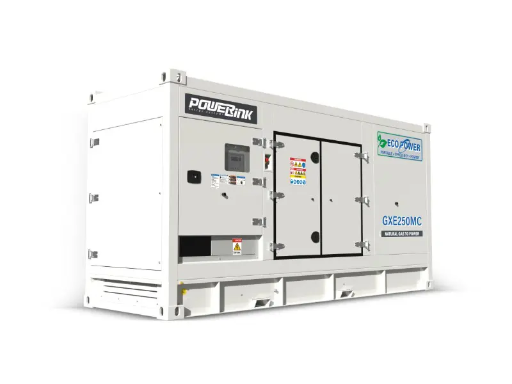
A reliable power supply is essential for businesses, industries, and facilities that depend on continuous electricity. Power interruptions can affect productivity, damage equipment, and create unexpected operational costs. For this reason, many organizations consider gas generators as an effective solution for improving energy reliability.
However, investing in a gas generator requires careful planning. Businesses should assess their energy needs, fuel options, and operational goals before choosing a system. The right generator or natural gas CHP solution can deliver reliable performance, improved efficiency, and long-term cost savings.
Understanding Gas Generator Systems
A gas generator is a power generation system that converts gaseous fuel into electricity through an engine and generator combination. These systems are designed to provide reliable energy for different applications, including industrial operations, commercial facilities, and remote projects.
Gas generators can operate using various fuel sources, including natural gas and renewable gases. Advanced systems such as natural gas CHP can improve efficiency by producing both electricity and useful heat from the same fuel source.
Why Businesses Invest in Gas Generators
Many organizations choose gas generators to reduce dependence on unstable power networks and maintain energy security.
Key reasons for investing in gas power solutions include:
- Reliable backup power
- Reduced downtime risks
- Better control over energy costs
- Improved operational efficiency
- Flexible fuel options
A well-designed generator system helps businesses maintain smooth operations during power failures and changing energy conditions.
Important Factors to Consider Before Buying a Gas Generator
Determine Your Power Requirements
The first step before investing in a generator is understanding your electricity needs. Businesses should evaluate the amount of power required to operate essential equipment and daily operations.
Choosing a generator with the correct capacity is important. A system that is too small may struggle to handle demand, while an oversized generator may result in unnecessary fuel consumption and higher costs.
Evaluate Fuel Availability
Fuel availability plays a major role in generator performance. Before selecting a system, businesses should consider which fuel sources are easily accessible in their location.
Natural gas is a popular option because it provides reliable supply and efficient performance. Renewable alternatives are also gaining attention, with solutions like a biogas genset allowing organizations to generate electricity using biogas produced from organic materials.
Consider Efficiency and Operating Costs
A generator should not only provide reliable power but also operate efficiently. Fuel consumption, maintenance requirements, and operating expenses should all be considered before making an investment.
Advanced technologies such as natural gas CHP help improve efficiency by using fuel more effectively. These systems capture and utilize heat that would otherwise be wasted, creating additional energy benefits.
Check Maintenance Requirements
Regular maintenance is essential for keeping a gas generator operating efficiently. Businesses should consider service schedules, spare parts availability, and technical support before choosing a system.
A generator that is easy to maintain can reduce downtime and extend equipment lifespan.
Review Installation Requirements
Proper installation plays an important role in generator performance. Factors such as available space, ventilation, fuel connection, and safety requirements should be evaluated.
Professional installation ensures that the system operates safely and delivers reliable results.
Applications of Gas Generators
Gas generators are used across many industries and facilities, including:
- Manufacturing plants
- Healthcare facilities
- Data centers
- Commercial buildings
- Agricultural operations
- Remote projects
- Renewable energy installations
Their flexibility makes them suitable for both backup power and continuous energy generation.
Combining Gas Generators with Renewable Energy
Modern energy strategies often focus on combining traditional and renewable solutions. Gas generators can support renewable energy systems by providing backup power when renewable sources are unavailable.
For example, a biogas genset can work alongside other renewable technologies to create a more sustainable energy solution. This approach improves reliability while supporting environmental goals.
Choosing the Right Gas Generator Provider
Selecting the right supplier is just as important as choosing the generator itself. Businesses should look for providers with experience, technical knowledge, and strong customer support.
A reliable provider can help with:
- System selection
- Installation guidance
- Maintenance planning
- Performance optimization
This ensures that businesses receive a solution that matches their specific energy requirements.
The Future of Gas Generator Technology
Gas generator technology continues to improve with advancements in efficiency, smart controls, and cleaner fuel solutions. As industries focus on reliable and sustainable energy, these systems will continue to play an important role.
Future developments will likely include better fuel flexibility, improved monitoring systems, and stronger integration with renewable energy sources.
Conclusion
Investing in a gas generator requires careful consideration of energy needs, fuel options, efficiency, maintenance, and long-term goals. A properly selected system can provide reliable electricity, reduce operational challenges, and improve energy management.
With advanced solutions such as natural gas CHP and biogas genset technology, businesses can achieve dependable power generation while moving toward a more efficient and sustainable energy future.