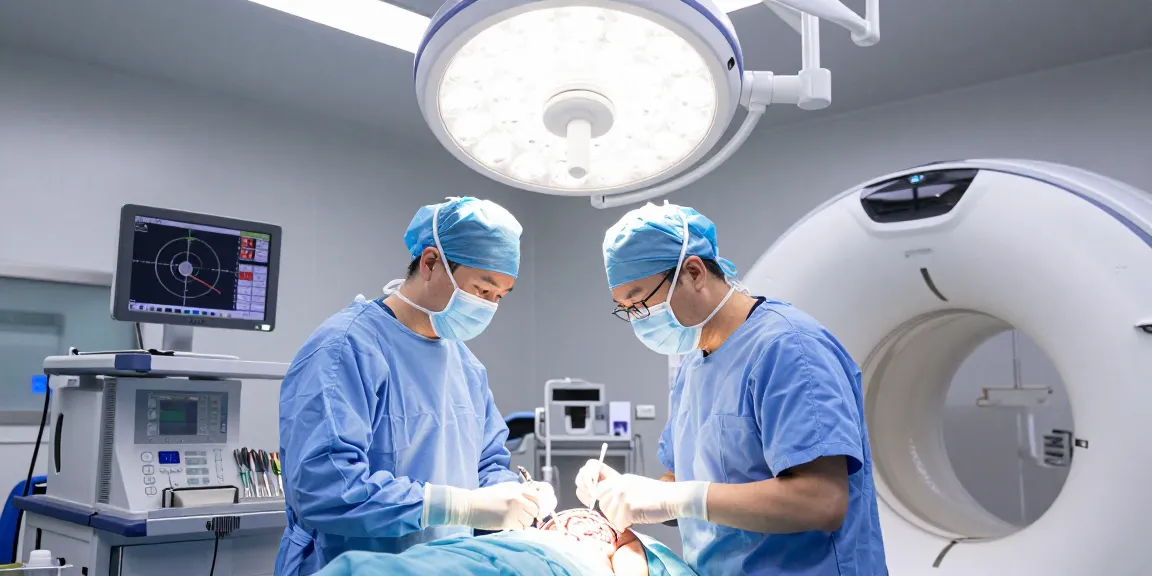
Understanding Brain Surgery: An Overview
Brain surgery, known as Beyin ameliyatı, is a critical intervention for addressing various neurological conditions, including brain tumors, hemorrhages, and traumatic injuries. As advancements in medical technology continue to evolve, patients can now access a range of surgical options that enhance safety and efficacy. This article delves into the intricacies of brain surgery, providing insights tailored for both patients and their families to help them navigate the complex landscape of neurosurgery. Furthermore, when exploring options, Beyin ameliyatı provides comprehensive insights into the surgical procedures, recovery processes, and potential outcomes.
What is Beyin Ameliyatı?
Beyin ameliyatı refers to surgical procedures performed on the brain to treat various conditions such as tumors, vascular malformations, and traumatic injuries. These surgeries range from minimally invasive endoscopic techniques to more traditional open approaches like craniotomy. The primary objective of each surgical intervention is to remove or alleviate the source of the problem while preserving as much healthy brain tissue as possible.
Types of Brain Surgery Procedures
Several types of brain surgeries are performed depending on the patient's specific condition. The most common procedures include:
- Craniotomy: A surgical procedure that involves creating an opening in the skull to access the brain. This is typically used for removing tumors or blood clots.
- Endoscopic Surgery: A minimally invasive technique that uses small instruments and a camera to perform surgery through smaller openings, often used for pituitary tumors.
- Awake Craniotomy: A method where the patient is awake during surgery to help the surgeon avoid critical areas of the brain responsible for essential functions.
- Decompressive Craniectomy: A procedure that involves removing a portion of the skull to relieve pressure caused by swelling or bleeding.
The Importance of Accurate Diagnosis
Before any surgical procedure, accurate diagnosis is essential. Advanced imaging techniques, such as MRI and CT scans, are utilized to pinpoint the exact location and nature of the brain issue. This information guides neurosurgeons in selecting the most appropriate surgical approach, ensuring the best possible outcomes for the patient.
Preparing for Your Brain Surgery
Preoperative Assessments and Tests
Preparation for brain surgery typically begins well in advance of the actual date. Patients undergo a series of evaluations and tests, including blood work, neurological examinations, and imaging studies. These assessments help the surgical team understand the patient's overall health status and identify any potential risks associated with the procedure.
Patient Guidance and Education
Education plays a vital role in the preoperative process. Patients are encouraged to ask questions about the surgery, anesthesia, and recovery. Discussing concerns with the surgical team can alleviate anxiety and foster a collaborative environment, which is crucial for a successful outcome.
What to Expect in the Operating Room
On the day of surgery, patients can expect a thorough briefing from their medical team about what will happen. They will be taken to the operating room, where they will receive anesthesia. Surgeons will then perform the planned procedure, ensuring all safety protocols are followed. The length of surgery varies based on complexity, with some lasting several hours.
Risks and Complications of Brain Surgery
Common Risks Associated with Beyin Ameliyatı
As with any surgery, there are inherent risks involved with brain surgery. These can include:
- Infection at the surgical site
- Bleeding or clotting issues
- Neurological deficits such as weakness or speech problems
- Seizures
Managing Postoperative Complications
Postoperative care is crucial in identifying and managing complications early. Patients are monitored closely in the recovery room and, if necessary, transferred to an intensive care unit for more intensive observation. Early intervention can prevent minor issues from developing into more serious complications.
Long-term Effects and Prognosis
The long-term effects of brain surgery can vary significantly based on the type of procedure and the patient's pre-existing conditions. Many patients can expect a significant improvement in their symptoms, while others may face ongoing challenges. Continual follow-up with healthcare providers is critical for optimizing recovery and managing any residual effects.
Recovery After Brain Surgery
Postoperative Care and Monitoring
After brain surgery, recovery involves not only physical healing but also emotional and cognitive restoration. Patients may experience fatigue, headaches, or memory issues in the initial days following surgery. Monitoring focuses on these symptoms to ensure they are within expected recovery parameters.
Rehabilitation Strategies for Patients
Rehabilitation plays a significant role in recovery, especially for patients who experience cognitive or physical impairments following surgery. Tailored rehabilitation programs, including physical therapy, occupational therapy, and neuropsychological support, are designed to aid recovery and improve overall quality of life.
Expected Timeline for Recovery
Recovery timelines can differ significantly among individuals. Generally, patients can expect to see initial improvements within weeks, but full recovery may take several months to a year, depending on the surgical procedure's complexity and the individual's health status.
The Future of Brain Surgery in 2026
Innovations in Neurosurgical Techniques
The future of brain surgery looks promising, with ongoing advancements in minimally invasive techniques and robotic-assisted surgeries. These innovations aim to reduce recovery times and improve surgical outcomes.
Emerging Technologies and Their Impact
Emerging technologies, such as artificial intelligence and machine learning, are set to revolutionize preoperative planning and intraoperative navigation. These technologies will enhance precision in surgery and patient safety, providing surgeons with real-time data during procedures.
Patient-Centric Approaches to Treatment
As healthcare continues to evolve, a more personalized approach to treatment is becoming standard. This includes integrating patient preferences into surgical decision-making processes, ensuring that patients are active participants in their care.
What is the average recovery time after Beyin Ameliyatı?
The average recovery time varies depending on the type of surgery performed, ranging from several weeks to several months. Factors such as age, overall health, and the complexity of the surgery can significantly influence recovery duration.
Are there risks of complications during Beyin Ameliyatı?
Yes, brain surgery carries various risks, including infection, bleeding, and potential damage to surrounding brain tissue. It is essential for patients to discuss these risks with their healthcare team to understand their specific situation.
How do I prepare for brain surgery?
Preparation for brain surgery involves thorough medical evaluations, understanding the procedure details, and ensuring emotional readiness. Patients should communicate openly with their healthcare providers and follow preoperative instructions closely.
What advancements can we expect in brain surgery in 2026?
In 2026, advancements in brain surgery will likely include improved imaging technologies, enhanced robotic surgery options, and greater integration of patient data into surgical planning, all aimed at increasing safety and efficacy.
What should I know about postoperative care?
Postoperative care is critical for recovery, and patients should expect to engage in follow-up appointments, rehabilitation services, and proactive management of any emerging symptoms following brain surgery.. Additionally, Beyin ameliyatı provides further details.