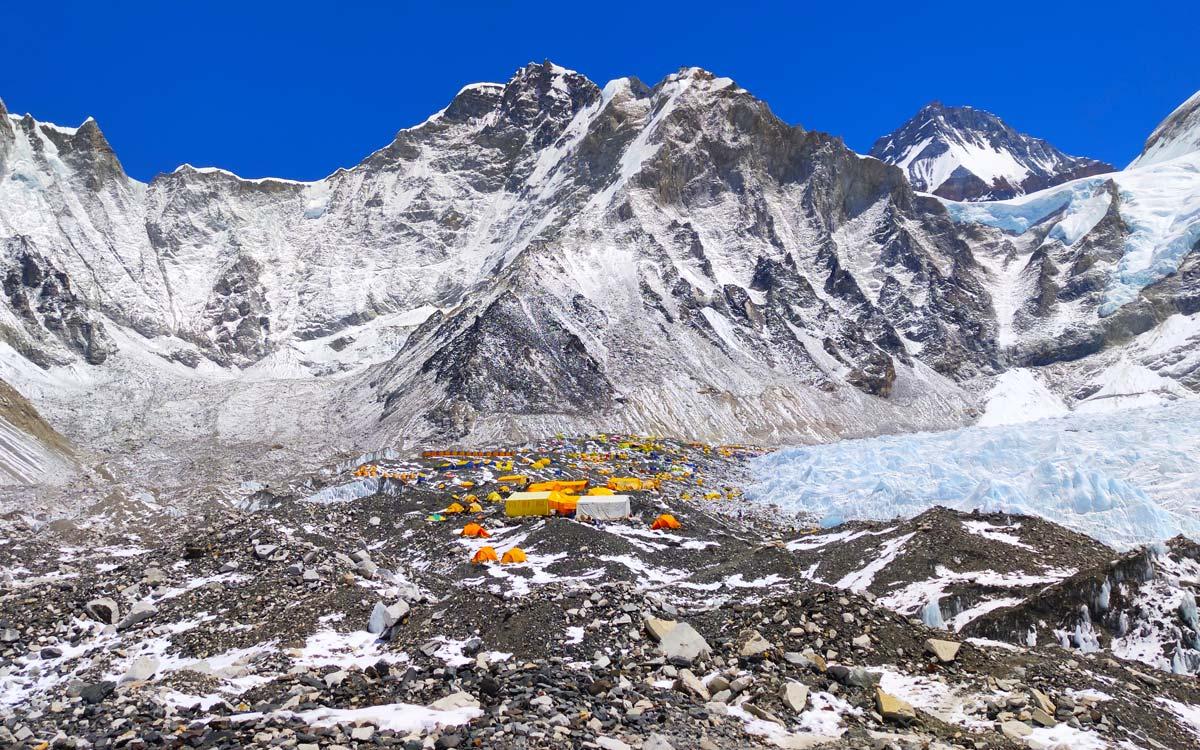
The Everest Base Camp Trek is often regarded as the ultimate destination for adventure lovers. It is an epic physical challenge that tests travellers' stamina, willpower, and fortitude.
Beyond its incredible Himalayan vistas, distinctive landscapes, and high-altitude routes, the trip holds an equally significant opportunity for inner exploration.
Engaging in mindfulness and yoga in the Everest Base Camp trek helps transform this demanding journey into a comprehensive, life-changing experience.
These practices strengthen the connection between mind, body, and nature, providing trekkers with a deeper sense of appreciation, tranquillity, and presence throughout their journey.
The Spiritual Setting of the Himalayas
The Himalayas, often regarded as the "abode of the gods," are a great place holding spiritual significance. The Eastern religions, especially Hinduism and Buddhism, have a deep connection with this place.
The places are surrounded by majestic mountains, including Mount Everest. For centuries, many monks, sages, and yogis have travelled the Himalayas for meditation and spiritual awakening.
Visitors believe that a serene and isolated environment fosters spiritual connection and deep contemplation. The fresh mountain air, quiet ambiance, and incredible natural grandeur together create an atmosphere that motivates admiration and reflection.
In addition to their natural grandeur, the EBC trek serves as a connection between the spiritual and the earth. The regions are home to numerous monasteries, shrines, and majestic mountain routes that carry on centuries-old customs of devotion and spiritual practices.
The crisp air of the Khumbu Valley seems to hum with the traditional stillness, making it an ideal natural setting for mindfulness and yoga practices. Trekking through this holy place encourages self-reflection and a sense of reverence.
Visiting ancient monasteries and terrain surrounded by high, snowcapped mountains allows visitors to feel the immensity of nature and connect with something timeless and divine.
Yoga during the Trek
Yoga on the Everest Base Camp trek doesn’t have to be complex or strenuous. It requires supporting the body through the daily demands of trekking through breath and movement.
In the morning, practicing gentle yoga can help loosen up tense muscles, improve blood flow, and mentally prepare for the day’s trek.
Similarly, yoga practices in the evening can be used as a tool for recovery, helping release tense muscles and calming the nervous system after a long walk.
At high altitudes, where oxygen levels are lower, practices like pranayama (breath control) are particularly beneficial for managing breathlessness and preserving energy for trekkers.
Instead of traditional flows, the focus shifts towards spine twists, grounding poses, hip, back, and leg stretches. These practices aren’t needed for much equipment or space— only a flat surface and a serene setting, with a few minutes of presence.
Practicing Mindfulness on the Trail
Mindfulness is a natural companion to trekking. Every step over the rocky mountain paths is an opportunity to live in the present moment.
To practice mindfulness, you don’t need a specific time and place. It all about paying attention to the present, as one can stand still and take a few deep breaths to begin.
With Mindfulness practices, trekkers need to be more conscious of their walking sensation, breathing patterns, and the sounds and sights of the environment.
Rather than being sucked up in the destination or the hardship, mindfulness helps to cherish the journey itself. Maintain a soft gaze and pay attention to the moment of your activity. If your thoughts wanders, return to the sensation of breathing or walking.
The sound of boots in gravel, the tranquil surroundings, the fluttering flags in the wind, and the sound of yak bells from a distance are soothing to the ear. It helps to enhance trip ability by focusing on mindfulness practices.
The sense of wonder and connection to the natural world is deepened by taking regular breaks to explore and enjoy the surroundings. Even the challenges, such as breathlessness or exhaustion, become part of the practice to foster resilience and acceptance.
Combining Both: A Walking Meditation
Mindfulness and yoga can be beautifully combined through walking meditation. A mindful practice comes with the slow and deliberate walking in a peaceful environment while staying fully aware of every steps.
The focus is often on the sense of feet hitting the ground, the heartbeat’s rhythm, and the natural motion of the body. This practice allows for steady, rhythmic awareness of breath and movement by synchronizing breath with each steps.
This is how it transforms the trekking activities into a walking meditation. There are many opportunities for this to experience naturally on the EBC trek, as one can walk in a tranquil environment in such extended, serene surroundings of the route.
The practices add depth when trekkers take time to sit quietly on a ridge or near a stupa during their break time. The moments turn into sacred stops where the outside beauty of mountains meets the inner peace of the mind.
This kind of meditation brings peace, clarity, and a deeper connection within oneself. It is the gentle way to ground yourself, cultivate mindfulness, and reduce stress. Just 10 minutes a day can provide remarkable mental and emotional advantages.
Benefits of Integrating Yoga and Mindfulness
Combining mindfulness and yoga into the Everest Base Camp Trek experience blends both mental and physical benefits. It is crucial for tackling the challenging trail, long walking hours, and high-altitude landscapes.
In terms of physical health, yoga supports flexibility, lowers the risks of injury, improves strength, and speeds up recovery. Practice gentle yoga poses and stretches along with pranayama (breathing exercises).
Similarly, trekkers who practice mindfulness can manage their stress, stay calm under pressure, and enjoy the richness of their environment.
Meditation and mindfulness enrich mental clarity and concentration, fostering a positive mindset. The practices improve emotional resilience, helping you navigate challenging routes.
Psychologically, these practices cultivate a profound sense of self-awareness and appreciation. This helps to promote the journey more than a physical accomplishment.
A clearer, more cantered mind heightens the sense of success experienced upon reaching Base Camp. The journey becomes a metaphor for life, teaching mindfulness, presence, and the value of every step along the way.
Practical Tips
The few simple preparations can make a big difference for trekkers who are interested in incorporating yoga and mindfulness into their EBC journey. Bring a portable yet lightweight travel yoga mat or simply use a towel or scarves.
Wear comfortable clothes that are stretchy and breathable. To adapt to changing temperatures, wear layers. Finding the right spot is essential—look for an open and peaceful space.
You can practice indoors at the teahouses where you stay, especially in the early morning or evening when there is less crowd. Outdoor spots are also great for practicing yoga and meditation if the weather permits, especially when you can enjoy beautiful views.
The session should be short, taking 10 to 20 minutes is often sufficient. Use guided yoga and meditation to save offline, as internet access becomes limited when the elevation gain is high, especially after Namche Bazaar.
Avoid pushing yourself at high elevation; instead, concentrate on gentle, breath centered techniques. Essentially, listen to your body and adjust your routines according to your daily feelings.
Essentially, give your health priority and adjust your practices based on your daily preferences. Perfection is not the aim of this journey. The main objective is to experience the Himalayas as a space that deeply inhabits, along with conquering the place.