Understanding Age Estimation Technology
In recent years, the quest to understand not just how old we are but how old we appear has exploded in popularity. With the advent of advanced technologies and artificial intelligence, questions like "how old do I look?" have become both fun and fascinating. These age estimation tools leverage complex algorithms and image processing techniques to provide users with an estimate of their facial age, often now accompanied by a wealth of features and enhancements. When exploring options, how old do i look platforms provide comprehensive insights into age perception.
What Does "How Old Do I Look" Mean in 2026?
The phrase "how old do I look" resonates with people of all ages, often reflecting their insecurities or curiosity about their aging process. By 2026, this inquiry has transformed from a mere social activity into a sophisticated exploration of our biological age versus perceived age. Individuals are increasingly aware that their facial appearance can significantly vary from their actual birthdate due to various factors like genetics, lifestyle, skincare, and environmental influences.
How AI Algorithms Estimate Facial Age
At the heart of age estimation technology lies artificial intelligence (AI). These algorithms analyze key facial features, such as wrinkles, fine lines, skin texture, and overall structure. By comparing user images to a vast database of faces across different age ranges, AI can predict how old a person looks. For instance, many AI models utilize convolutional neural networks (CNNs) trained on thousands of images to recognize patterns associated with aging.
The Accuracy of Age Estimation Tools
While these tools can provide a quick estimate, their accuracy is not absolute. Studies have shown that the results can vary based on the lighting, angle, and even the quality of the image uploaded. Furthermore, cultural perceptions of age can differ significantly, suggesting that personal context plays a critical role in how age is perceived and estimated.
Common Challenges with Age Detection Applications
Despite their growing popularity, age estimation apps encounter various challenges that users and developers must address. Understanding these challenges helps users maintain realistic expectations and enhances the application experience.
Pitfalls of Over-Reliance on AI for Age Estimation
One significant pitfall is the potential for over-reliance on AI-generated estimations. While these tools can be engaging and provide insights, they are not infallible. Users may find themselves taking the results too personally, which can lead to emotional distress or misguided decisions about skincare or lifestyle. Awareness of these limitations is crucial for a healthy perspective on the results.
Addressing User Concerns About Privacy
Privacy is another major concern among users of age detection applications. Many platforms require users to upload their images, raising questions about data security and how this information is used. To mitigate these concerns, reputable apps emphasize strong privacy policies and data protection measures, ensuring users feel safe while using their services.
Understanding Age Perception vs. Biological Age
Users often confuse perceived age with biological age. While biological age refers to the actual aging process of the body, perceived age is influenced by external factors such as lifestyle choices, stress levels, and societal expectations. By understanding the nuances between these two concepts, users can better appreciate the insights provided by age estimation tools.
Practical Uses of Age Estimation Apps
Age estimation technology is not just about curiosity; it serves various practical uses in different industries. From skincare to marketing, understanding how consumers perceive age can guide strategies and improve products.
Social Media Trends: Sharing Age Estimates
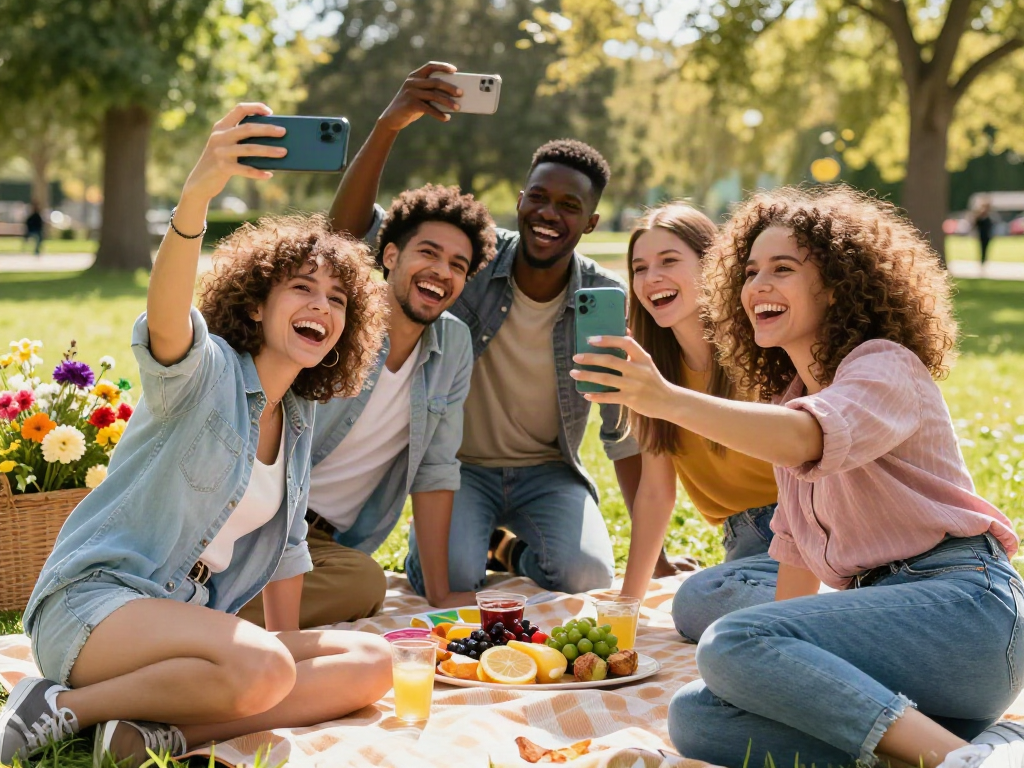
Social media has become a platform for sharing fun age estimates among friends. Many users post their AI-generated age predictions, which can lead to engaging discussions and a sense of community regarding beauty standards and aging perceptions. This trend not only entertains but also raises awareness about the aging process.
Using AI to Enhance Beauty and Skincare Choices
Beauty and skincare brands are increasingly utilizing age estimation tools to tailor their products to specific demographics. By understanding the average perceived age of their target market, brands can create more effective marketing campaigns and relevant product lines, ensuring they meet the unique needs of their consumers.
Engaging in Fun with Friends: Age Guessing Games
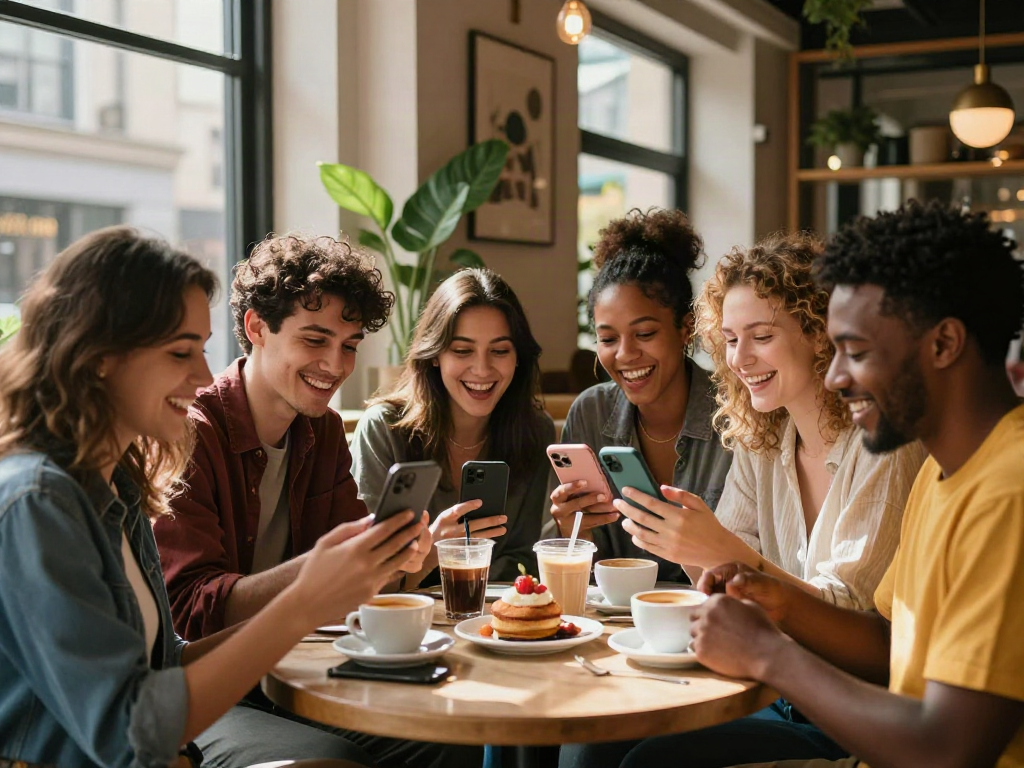
Age guessing games have emerged as a popular form of entertainment among friends and family. By using age estimation apps, users can playfully compete to see who looks older or younger, fostering laughter and camaraderie while simultaneously exploring perceptions of aging.
Real-World Examples: Success Stories
Several brands and influencers have effectively leveraged age estimation technology to boost their engagement and marketing efforts. These examples illustrate the practical applications and benefits of using such tools in the real world.
How Age Estimation Helped Brands Target Marketing
Several cosmetic companies have successfully integrated age estimation tools into their marketing strategies. By analyzing their audience's perceived age, they can tailor their messaging and product offerings to address specific age-related concerns, ultimately enhancing sales and customer loyalty.
Influencers Using Age Guessing for Engagement
Influencers on platforms like Instagram and TikTok often utilize age estimation tools to engage with their followers. By sharing their results and comparing them to their fans, they create a dynamic conversation about aging and beauty standards, therefore fostering community and connection.
Case Studies: Impact on Cosmetic Products
Case studies have shown that brands using age estimation data can significantly boost product performance. For example, a skincare brand discovered that their audience, perceived as younger than their actual age, was interested in preventative anti-aging products, leading them to modify their product line to better meet consumer expectations.
Future Trends in Age Estimation Technology
As we approach 2030, the field of age estimation is likely to see significant advancements and changes. The future promises exciting developments that can further enhance user experience and accuracy in age detection.
Predictions for Age Estimation Innovations by 2030
Experts predict that by 2030, age estimation technologies will become more sophisticated, incorporating augmented reality (AR) and machine learning for enhanced accuracy. These developments could lead to personalized skincare recommendations based on a user's unique age estimate, thereby revolutionizing the beauty industry.
Potential Ethical Considerations in AI Development
As the technology evolves, ethical considerations will also need to be addressed. Issues surrounding consent, data privacy, and the psychological impact of age estimations must be carefully navigated to ensure that user experiences remain positive.
The Role of Consumer Feedback in Improving Accuracy
Consumer feedback will play a crucial role in honing the accuracy of age estimation tools. By encouraging users to provide feedback on their experiences, developers can modify and improve algorithms, ensuring that results are as precise as possible.
How Can You Improve Your Use of Age Detection Tools?
Users can enhance their experience with age estimation tools by paying attention to the quality of images they upload. Proper lighting and resolution can lead to more accurate results. Additionally, users should maintain realistic expectations about the outcomes and engage with the platforms critically.
Seeking Accurate Age Estimation Tools: What to Look For?
When searching for age estimation tools, consider platforms that emphasize user privacy, provide clear instructions for use, and have positive user reviews. A robust privacy policy and transparent data handling practices are essential to ensure a worry-free experience.