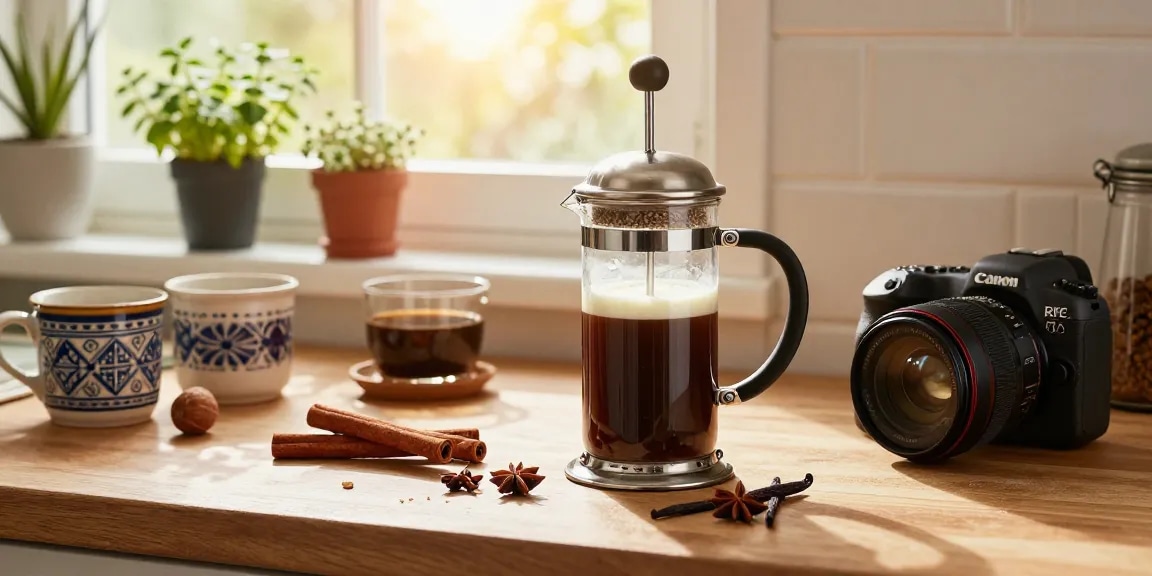
Understanding White Coffee Recipes
White coffee is not just a beverage; it's an experience that transcends the typical coffee-drinking routine. Originating from different cultural backgrounds, white coffee has gained popularity for its unique taste and texture. The creamy appearance of white coffee comes from the addition of milk or cream to coffee, creating a drink that is both indulgent and soothing. If you're looking to explore the world of white coffee, the variety of White Coffee Recipes available can elevate your morning routine and introduce you to delightful flavor combinations.
What is White Coffee?
White coffee refers to coffee that has been brewed with less roasting than regular coffee, which results in a lighter color and a distinct flavor profile. This drink can also refer to coffee served with milk, cream, or non-dairy alternatives, giving it a creamy texture. The result is a smooth and mellow drink that can be enjoyed warm or cold, making it versatile for different tastes and preferences.
Historical Origins of White Coffee
The term "white coffee" can be traced back to different regions. For instance, in Malaysia, white coffee refers to coffee beans that are roasted at a lower temperature, producing a lighter brew. Meanwhile, in Western cultures, it typically signifies coffee mixed with milk or cream. Understanding these historical nuances helps one appreciate the global context of white coffee, as it intertwines with cultural traditions and practices surrounding coffee consumption.
Health Benefits of White Coffee
White coffee is not just a delightful drink; it also offers several health benefits. The lower roasting temperatures preserve more of the antioxidants found in coffee beans, which can aid in combating inflammation and supporting overall health. Additionally, opting for non-dairy milk alternatives can provide lactose-free options that accommodate various dietary needs. The combination of coffee and milk also helps to slow the absorption of caffeine, leading to sustained energy levels without the jitters often associated with traditional coffee.
Essential Ingredients for White Coffee Recipes
Types of Coffee Beans for White Coffee
The choice of coffee beans plays a critical role in crafting the perfect white coffee. Arabica beans are often favored for their smooth flavor, while Robusta beans can add a stronger, bolder taste. For white coffee, it is advisable to select beans that have been lightly roasted to maintain the lighter color and flavor profile that defines this unique drink.
Milk Options: Dairy vs. Non-Dairy
When it comes to creating the ideal white coffee, the milk you choose can significantly affect the taste and texture. Whole milk offers a rich, creamy flavor, while alternatives like almond, oat, or soy milk can provide different flavor notes and cater to dietary preferences. Experimenting with various milk options can lead to discovering your personal preference, enhancing the overall white coffee experience.
Flavor Enhancers for Unique Recipes
To elevate your white coffee, consider incorporating flavor enhancers such as vanilla, caramel, or cinnamon. These additions not only enhance the aroma but also complement the coffee's natural flavors, creating a more complex taste profile. Experimenting with syrups, spices, or even flavored creams can make your white coffee stand out, allowing for personalized recipes tailored to your liking.
Step-by-Step White Coffee Recipes
Classic White Coffee Recipe
To prepare a classic white coffee, start with the following ingredients:
- Freshly brewed light roast coffee
- Your choice of milk or cream
- Sweetener (optional)
Begin by brewing a cup of your favorite light roast coffee. Once brewed, pour the hot coffee into your favorite mug and add milk or cream to taste. Stir in sweetener if desired, and enjoy your classic white coffee that promises a smooth and rich experience.
Innovative White Coffee Variations
For those looking to venture beyond the classic preparation, innovative variations can include flavors like hazelnut, mocha, or coconut. To create a mocha white coffee, mix in chocolate syrup with your brewed coffee and top it with whipped cream and a drizzle of chocolate. For a coconut twist, use coconut milk and add a splash of vanilla syrup. These unique flavors can transform your white coffee into an exciting treat.
Cold Brew White Coffee Recipe
Cold brew white coffee is a refreshing alternative, perfect for warm days. To create this, you'll need:
- Coarsely ground coffee beans
- Cold water
- Your choice of cold milk
Combine the coffee grounds with cold water in a large container and let it steep for 12-24 hours. After steeping, strain the mixture into a separate container. Serve over ice, adding your desired amount of cold milk and sweetener for a refreshing beverage on a hot day.
Exploring Flavor Combinations
Popular Flavor Profiles for White Coffee
When it comes to flavor combinations, white coffee pairs well with a variety of ingredients. Popular choices include:
- Caramel and sea salt
- Chocolate and mint
- Vanilla and hazelnut
These combinations create a harmonious balance, enhancing the coffee's natural aroma while providing a delightful tasting experience.
Seasonal White Coffee Recipes
Embrace seasonal flavors by incorporating ingredients that reflect the current time of year. For spring, light flavors such as lavender or citrus can brighten your coffee. During autumn, pumpkin spice or chai spices add warmth and comfort. For winter, peppermint mocha or gingerbread highlights create a cozy atmosphere. These seasonal recipes can keep your white coffee experience fresh and exciting year-round.
Pairing White Coffee with Foods
White coffee is versatile enough to be paired with various foods. Consider serving it with:
- Pastries and muffins
- Fruit salads
- Rich desserts like cheesecake
These pairings not only enhance your coffee experience but also make for an excellent accompaniment at brunches or special gatherings.
Tips for Perfecting Your White Coffee Experience
Common Mistakes to Avoid in Making White Coffee
Avoiding common pitfalls can significantly improve your white coffee. One frequent mistake is using overly dark roasted beans, which can overpower the delicate flavors. Additionally, adding milk that is too cold can affect the overall temperature and enjoyment of the drink. Ensuring that your coffee is brewed fresh and your milk is heated properly without scorching it will yield the best results.
Tools and Gadgets for Brewing White Coffee
Having the right tools can make the white coffee-making process smoother. A high-quality coffee grinder is essential for unlocking the rich flavors of your beans. A French press or pour-over kettle also provides excellent brewing options, allowing for better control over steeping times. Lastly, a milk frother can elevate your coffee experience, creating barista-level froth and texture in your drinks.
Future Trends in White Coffee Consumption
As coffee culture evolves, white coffee is poised to gain further popularity. The trend toward health-conscious consumption is driving interest in lower caffeine and antioxidant-rich coffee options. Additionally, the rise of plant-based diets is leading more consumers to explore non-dairy milk options, prompting coffee shops and home brewers alike to experiment with innovative white coffee recipes that align with new dietary trends.
How to Serve White Coffee Stylishly
Presentation plays a key role in the enjoyment of white coffee. Using attractive glassware or unique mugs can enhance the visual appeal. Consider garnishing your drink with a sprinkle of cocoa powder, a drizzle of syrup, or a dusting of cinnamon. Such small details can elevate your coffee presentation, making each cup feel special.