
5 Common Cultural Exchange Mistakes and How to Fix Them
Understanding Cultural Exchange in 2026
Cultural exchange plays a pivotal role in bridging gaps between diverse communities across the globe. In an increasingly interconnected world, fostering understanding through cultural sharing has never been more important. Platforms like https://hanadultalk.com are at the forefront of this initiative, providing rich, engaging content that celebrates cultural diversity. This article explores the significance of cultural exchange in 2026, highlighting its role, challenges, and future trends.
What is Cultural Exchange?
Cultural exchange refers to the sharing of ideas, values, traditions, and experiences between different cultures. This process often happens through various mediums, including travel, education, and digital communication. At its core, cultural exchange enriches societies by promoting mutual respect and understanding. In a world where digital platforms have become primary sources of interaction, cultural exchange has evolved, allowing individuals from different regions to connect without physical barriers.
Importance of Cultural Exchange in Today’s Society
The significance of cultural exchange in today’s society cannot be overstated. As globalization continues to shape our interactions, the ability to engage meaningfully with diverse cultures fosters peace and diminishes prejudice. This exchange promotes personal and collective growth, enabling individuals to challenge stereotypes and broaden their worldviews. Furthermore, it contributes to the preservation and appreciation of cultural heritage, ensuring that future generations remain connected to their roots while also embracing new influences.
How https://hanadultalk.com Promotes Cultural Awareness
https://hanadultalk.com serves as a vital resource for those interested in Asian culture presented in Spanish. By providing content that resonates with the Hispanic community, this platform creates an inclusive space for cultural dialogue. It showcases the intricacies of various Asian cultures, from culinary arts to pop culture, making it easier for Spanish speakers to appreciate and engage with these rich traditions. Through articles, interactive discussions, and community-building initiatives, Hana Dul Talk fosters a sense of belonging and shared interest among its users.
Common Challenges in Cultural Exchange
While cultural exchange is beneficial, it is not without its challenges. Miscommunication, language barriers, and the difficulty of achieving authentic engagement can hinder the effectiveness of these exchanges. Recognizing and addressing these issues is critical for successful cultural interactions.
Miscommunication Across Cultures
Miscommunication is a significant hurdle in cultural exchange. Different cultural backgrounds can lead to misunderstandings regarding intentions, humor, and social norms. To mitigate this, it is essential to approach cultural interactions with an open mind and a willingness to learn and adapt. Engaging in cross-cultural training can also equip individuals with the skills necessary to navigate these complexities more effectively.
Overcoming Language Barriers
Language barriers often limit the depth of cultural exchange. Many individuals may feel hesitant to participate due to their lack of proficiency in a second language. Bilingual platforms that provide content in both languages, like Hana Dul Talk, help bridge this gap, making cultural experiences accessible to a broader audience. Utilizing translation tools and language learning apps can also empower individuals to communicate more effectively across cultural lines.
Achieving Authentic Engagement
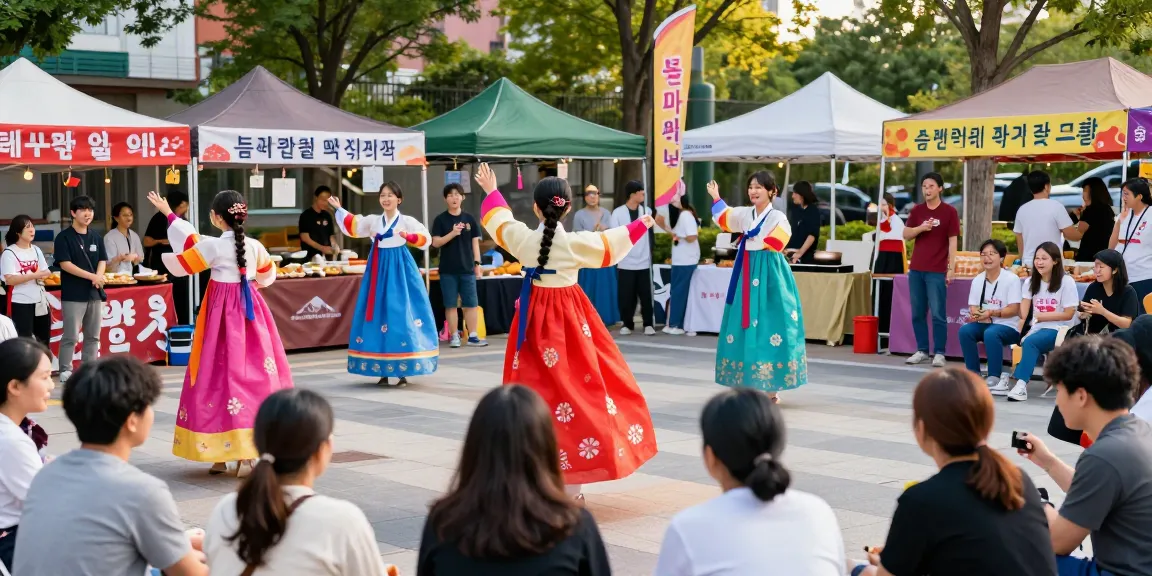
Authentic engagement is crucial for meaningful cultural exchange. Superficial interactions often fail to foster deep understanding. To achieve authenticity, participants should focus on building relationships based on empathy and respect. Experiential learning, such as visiting cultural festivals or participating in community activities, allows individuals to engage more genuinely with different cultures.
Best Practices for Effective Cultural Exchange
To foster successful cultural exchange, certain best practices should be employed. These practices encourage respectful interactions and promote a deeper understanding of cultural nuances.
Building Respectful Relationships
Respect is the foundation of any successful cultural exchange. Participants should approach interactions with sensitivity and an appreciation for cultural differences. It’s essential to listen actively, ask questions, and express genuine interest in the other culture. Building trust through consistent and honest communication further enhances these relationships.
Utilizing Digital Platforms for Broader Reach
Digital platforms play a crucial role in expanding the reach of cultural exchange efforts. Social media, blogs, and websites allow individuals to connect with others globally, sharing their experiences and perspectives. Online workshops and webinars can also provide opportunities for interactive learning, connecting people from different backgrounds in real-time.
Incorporating Local Traditions and Languages
Incorporating local traditions and languages into cultural exchange initiatives enriches the experience for all participants. This can involve celebrating local festivals, using indigenous languages, and sharing traditional art forms. By respecting and honoring local customs, exchange participants can create a more inclusive environment that resonates with the values and identities of all involved.
Case Studies: Successful Cultural Exchange Initiatives
Several initiatives exemplify successful cultural exchange, demonstrating how diverse cultures can collaborate and learn from one another.
Asian Pop Culture Events
Events celebrating Asian pop culture have gained worldwide popularity, drawing attention to the richness of Asian traditions. Festivals showcasing K-pop, anime, and traditional Asian arts offer immersive experiences, allowing audiences to engage with these cultures meaningfully. These gatherings not only entertain but also educate attendees on cultural significance and historical contexts.
Community-Based Cultural Programs
Community-based cultural programs, such as language exchange meetups or cultural immersion camps, provide opportunities for participants to engage deeply with another culture. These initiatives often focus on building long-lasting relationships through shared experiences, promoting understanding and appreciation of diverse backgrounds.
Collaborations Between Artists and Influencers
Collaborations between artists and influencers from different cultures often yield innovative results that highlight cultural diversity. Projects that blend traditional art forms with modern expressions can break down barriers and foster intercultural dialogue. These collaborations resonate with younger audiences and create a shared platform for discussing critical cultural issues.
Future Trends in Cultural Exchange Post-2026
As we look to the future, cultural exchange will continue to evolve, influenced by technological advancements and shifting societal values. Several trends are anticipated to shape the landscape of cultural interactions.
Embracing Virtual Reality in Cultural Experiences
Virtual reality (VR) is poised to transform the way individuals engage with different cultures. By immersing users in virtual environments that replicate cultural experiences, VR can create more profound emotional connections. This technology can facilitate virtual tours of historical landmarks, traditional ceremonies, and cultural festivals, making these experiences more accessible to a global audience.
Shift Toward Inclusive Global Narratives
The narrative surrounding cultural exchange is shifting toward inclusivity. As more voices from diverse backgrounds gain visibility, the focus will be on celebrating these stories and experiences. Initiatives that prioritize representation will be essential for fostering an authentic understanding of global cultures. Collaborative platforms that highlight underrepresented voices will play a significant role in this trend.
Using Social Media to Foster Global Connections
Social media will continue to serve as a powerful tool for cultural exchange. Users can share their cultural stories, food recipes, traditional practices, and artistic expressions, fostering a sense of community. As platforms evolve, the potential for creating cross-cultural connections will expand, allowing for more extensive engagement and collaboration.
What Are the Benefits of Cultural Exchange?
Cultural exchange offers numerous benefits, including enhanced empathy, improved communication skills, and increased cultural awareness. It allows individuals to develop a broader worldview, fostering personal growth and societal progress.
How Do I Participate in Cultural Exchange Programs?
Participating in cultural exchange programs can involve joining community initiatives, enrolling in study abroad programs, or engaging in online platforms that connect individuals across cultures. Actively seeking out opportunities and being open to new experiences are vital to gaining the full benefits of cultural exchange.
What Are the Key Components of Successful Cultural Events?
Successful cultural events typically feature strong organization, inclusive participation, and an emphasis on educational elements. Engaging programming that includes workshops, performances, and discussions enhances the overall experience and encourages active participation from attendees.
How Can Technology Enhance Cultural Exchange?
Technology enhances cultural exchange by providing platforms for interaction, facilitating communication, and enabling access to diverse resources. Online courses, social media, and communication tools allow individuals to connect and share their experiences more widely than ever before.
How Has Cultural Exchange Evolved Over Time?
Cultural exchange has evolved from traditional methods of travel and diplomacy to include modern digital interactions. The rise of the internet and social media has democratized access to diverse cultures, allowing individuals to engage more freely and frequently.